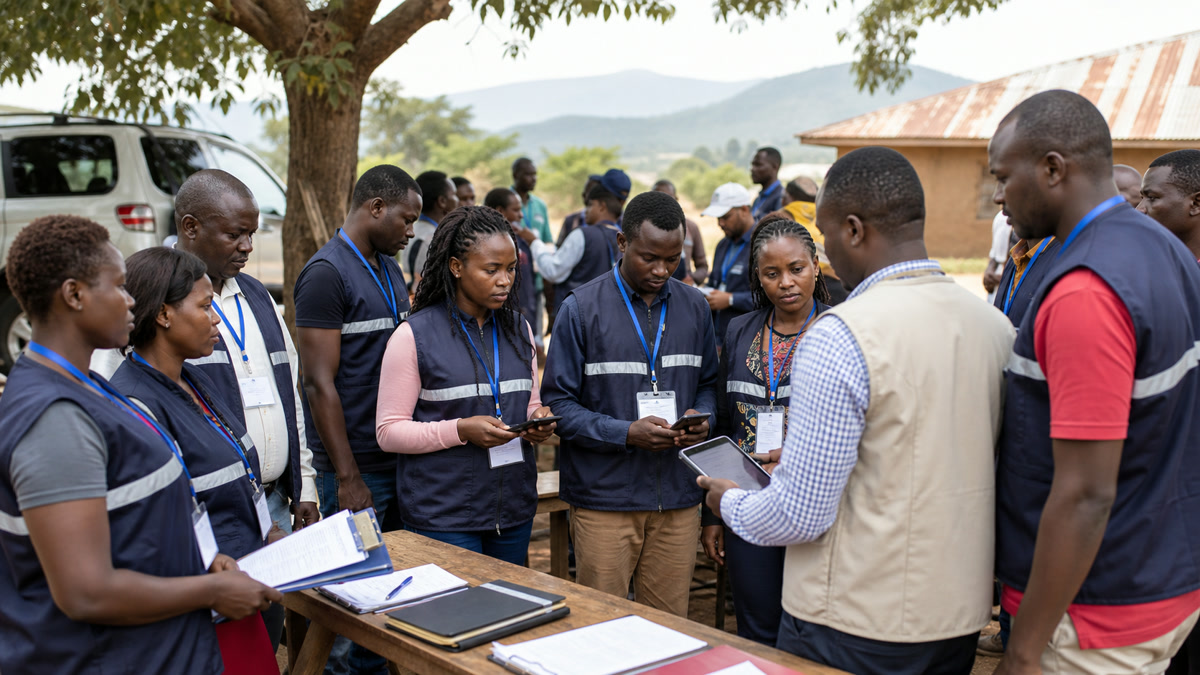
Campaign Field Agent Management System helps campaigns deploying coordinators, mobilizers and outreach teams replace scattered chats, spreadsheets and verbal reports with a controlled campaign workflow. The objective is not to collect the largest possible database. It is to help authorized teams organize legitimate work, respond to citizen concerns, coordinate people and preserve evidence for accountable decisions.
Vota is a campaign operating system for Kenya. It supports peaceful, issue-based campaigns through citizen-issue management, consented supporter and volunteer records, events, assignments, field reports, polling-agent readiness, promises, evidence and approved public updates. Vota is not an IEBC voter register, official voting platform or official results-tallying system.
Why this capability matters
Field agents often receive vague instructions and are judged by unverified activity claims. This wastes resources and can encourage irresponsible data collection.
A structured system gives each agent an authorized role, clear territory, task, deadline, reporting form and support route.
Core records and workflows
- People and roles: authorized managers, coordinators, volunteers, agents and reviewers with minimum necessary access.
- Locations: county, constituency, ward, polling station or branch structures appropriate to the campaign.
- Citizen issues: concerns, affected areas, responsible desks, follow-up dates and approved responses.
- Activities: meetings, listening tours, training, assignments, events and evidence.
- Communications: consent status, preferred channel, follow-up history and opt-out handling.
- Accountability: timestamps, responsible owners, approvals, evidence and audit history.
A responsible field-agent workflow
Managers onboard agents, verify responsibilities, assign legitimate tasks and receive location-appropriate reports. Reviewers check evidence and supervisors provide corrective support.
- Define the legitimate purpose and minimum information required.
- Configure the organizational hierarchy and role-based permissions.
- Register authorized personnel and train them on responsible data handling.
- Issue structured assignments with deadlines and expected evidence.
- Receive field or office reports through consistent forms.
- Review sensitive submissions before escalation or publication.
- Track action to closure and preserve an accountable history.
What leadership should see
Field-agent dashboards should focus on reporting quality, completed assignments, unresolved issues, safety escalation and training gaps.
Useful dashboards reveal incomplete reporting, overdue work, unresolved citizen concerns, training gaps, missing evidence and teams needing support. They should never claim to reveal a person’s private vote, infer ethnicity or predict official election results.
Data-protection and ethical safeguards
Campaigns should provide clear privacy information, collect data for a defined purpose, obtain appropriate consent, restrict access and honor correction or deletion requests. Sensitive political information should not be inferred from behavior or purchased from unknown sources. Teams must not use Vota for intimidation, discriminatory profiling, vote buying, misinformation or unauthorized access to public registers.
Implementation approach
1. Process discovery
Document the current teams, reporting lines, delays, duplicate records, approval points and risks. Separate genuine operational requirements from habits that should not be digitized.
2. Controlled configuration
Configure roles, locations, forms, issue categories, evidence rules and escalation paths. Use fictional data during demonstrations and testing.
3. Pilot and training
Start with a limited group, measure reporting quality and correct confusing workflows before wider rollout. Training should cover both system use and responsible personal-data handling.
4. Scale and governance
Expand only after access reviews, support arrangements and audit procedures work reliably. Senior leadership should review exceptions and unresolved risks rather than micromanage every record.
Buyer checklist
- Does the system match Kenya’s county, constituency and ward structures?
- Can permissions follow the campaign’s real responsibilities?
- Can managers verify who submitted and approved each report?
- Can it distinguish citizen concerns from supporter and volunteer records?
- Can authorized data be exported and retained under a clear policy?
- Does the provider separate campaign operations from IEBC functions?
- Are setup, training, support and messaging costs explained clearly?
Related Vota guides
- Presidential Campaign Management Software Kenya
- National Campaign Management System Kenya
- Presidential Field Operations Platform Kenya
- Presidential Campaign CRM Kenya
Why Vota
Vota connects private campaign operations with controlled public engagement and can continue into transition and accountable public-office follow-up. Powered by Zama Systems. The platform is backed by experience in workflow automation, secure portals, integrations and operational reporting.
Request a private Vota demonstration using fictional or authorized data. The demonstration should focus on structure, usability, privacy and accountable action—not promises of electoral victory.